
How Many Tons Does a 20 Yard Dumpster Hold?
Most 20 yard dumpsters are rated for somewhere between 3 and 4 tons of mixed debris, though the exact ceiling depends on what's going in it. Shingles and concrete weigh a lot more per cubic foot than household junk or wood scrap, so two containers that look identical can hit their limit at very different fill levels. If you're clearing out a garage or doing a kitchen tear-out in Little Rock, weight rarely becomes the issue since that debris tends to be light and bulky rather than dense. Construction crews running a full remodel see it differently: drywall, tile and old cabinetry add up fast. Check our 10 yard dumpster rental and 20 yard dumpster rental pages for the size breakdown, and look at dumpster sizes and dimensions if you're not sure which footprint fits your driveway or job site. An empty 20 yard box itself weighs a few thousand pounds before you add a single piece of debris, which is part of why the truck needs that weight built into its math before your load ever goes on the scale, and our porta potty rental checklist is worth reviewing too if the same job needs restrooms alongside the dumpster.
How Many Tons Does a 30 Yard Dumpster Hold?
A 30 yard dumpster generally holds around 4 to 6 tons, making it the size most Little Rock contractors reach for on full home renovations or roofing tear-offs. That extra volume over a 20 yard container helps, but the tonnage cap climbs slower than the cubic footage does, so dense material still fills the weight allowance long before the box looks full. Roofing debris is the classic example: a modest pile of shingles can weigh more than a truckload of drywall that fills the entire container. If your project leans toward concrete, brick or tile, ask about the limit before delivery rather than after, and a look at construction site services can help you plan the rest of the site setup at the same time. Our 30 yard dumpster rental page has the specifics, and construction dumpster rental covers what a job site should plan for across a multi-week build. Pair that with dumpster permit requirements if the container needs to sit in a right of way, since placement rules vary by location and haven't been confirmed against Little Rock's current code for this page, and check temporary fence rental if the site also needs the container area secured.
How Many Tons Does a 40 Yard Dumpster Hold?
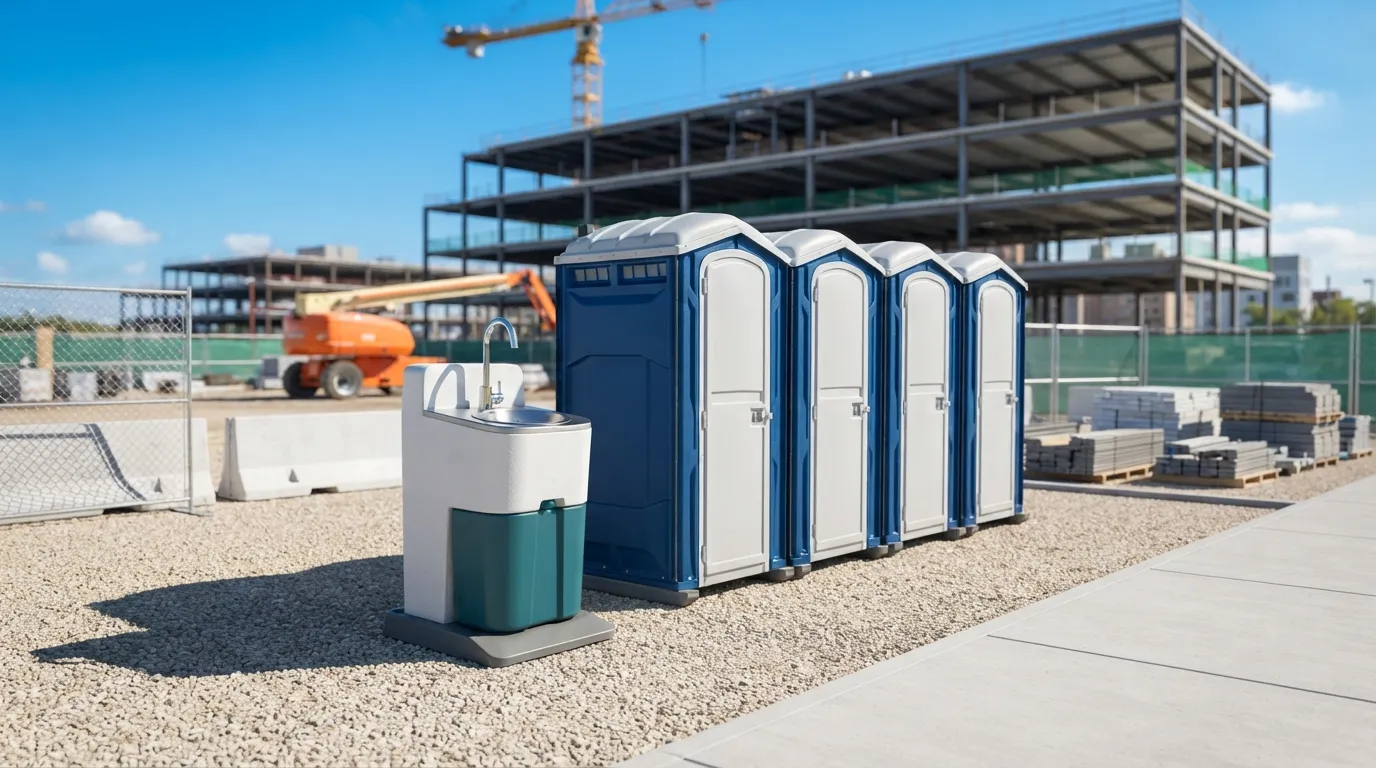
A 40 yard dumpster is the largest roll-off most companies offer, and it typically holds somewhere in the 5 to 7 ton range depending on the debris type. It's the size Little Rock crews pull for large demolition jobs, whole-house cleanouts or commercial strip-downs where the volume and the weight both run high, often alongside a storage container rental for materials that need to stay on site. Even at this size, dense loads like concrete or wet lumber can max out the ton limit while the container still has visible space left inside it. That's the tradeoff with roll-offs generally: OSHA 1926.25 requires job sites to keep scrap and debris cleared from work areas, but clearing fast doesn't help if the container gets flagged for overage. See 40 yard dumpster rental for details on that size, and dumpster rental cost to see how overage fees stack against the base rental price. If you're weighing a 40 against a smaller unit for a mid-size job, roll-off dumpster rental walks through the tradeoff by project type, and light tower rental is worth a look if the crew is working past daylight hours.

What Cannot Go In a Dumpster, and Does It Affect the Weight Limit?
Certain materials get restricted for reasons that have nothing to do with tonnage, but a few of them also happen to be the heaviest things people try to load. Wet paint, tires, batteries, and anything with fuel or refrigerant residue are common exclusions regardless of weight. Concrete and dirt are usually allowed but often need a dedicated container because of how fast they eat into the tonnage cap, similar to how a portable sink rental or handwashing station rental gets set up separately from the toilets on a busy job site. Our what cannot go in a dumpster page lists what's off-limits before you load anything questionable, and it's worth a look before delivery rather than after the truck leaves. If you're near College Station, about 9.2 miles east of Little Rock, or out toward Bryant, 13.7 miles southwest, the same rules apply since weight limits are set by the container and hauler, not by zip code. For heavier debris streams specific to a renovation, home renovation porta potty covers what else a job site typically needs beyond the dumpster itself, and septic pumping service is worth a call if the same property has an aging tank.
How much does a 20 yard dumpster weigh empty?
An empty 20 yard dumpster weighs a few thousand pounds on its own, before any debris goes in. That tare weight gets subtracted at the scale so you're only billed for what you actually load. It's built into the truck's rating, which is why overloading trips the limit faster than people expect.
How do I know if my load is close to the weight limit?
You won't know exactly until it's weighed, but dense materials like concrete, roofing and tile push toward the limit fast. Mixed household debris rarely gets close. If you're unsure, ask about your specific debris type before the container ships out.
What happens if I go over the weight limit?
You'll typically get charged an overage fee based on the extra tonnage, billed after the scale ticket comes back. It's not a flat penalty, it scales with how far over you went. Splitting a heavy job across two containers sometimes costs less than one overloaded box, something our request a quote team can price out both ways before you commit.
Does dumpster weight matter for a residential cleanout?
Usually not much. Household junk, furniture and yard waste are bulky but light, so most residential cleanouts fill the container's volume before they touch the weight cap. Renovation debris with tile, drywall or lumber is where weight starts to matter more than size.
Can I mix concrete with regular debris in one dumpster?
You can, but it's rarely the smart move since concrete is dense and burns through your weight allowance fast. A dedicated container for concrete or dirt usually costs less overall than paying overage fees on a mixed load. Ask ahead if your project includes both material types, and see our FAQ page for more questions like this one.
Next step
Get a delivery date
Tell us the address, the dates and the headcount. We size the order and confirm the route.