
Where should a porta potty go on a job site or yard?
Pick level ground first. A standard porta potty rental sits about 44 by 48 inches on its footprint and stands roughly 92 inches tall, so soft dirt or a slope will tip it once wind or a full tank shifts the balance. Keep it off grass you care about; a summer sitting long enough will kill the patch underneath. For construction site services in Little Rock, place units within a short walk of the working crew, not tucked behind material stacks where nobody bothers to use them. If you are running a cluster for a crowd, our porta potty placement guide approach starts with counting heads first; see how many porta potties do I need before you settle on a layout. OSHA 1926.51(c)(1) sets the baseline ratio for construction crews, one toilet for 20 workers or fewer, which drives both the count and where you cluster them.
Does the service truck need clearance to reach the unit?
Yes. Leave a straight approach and keep it clear on service day. A roll-off dumpster rental needs about 60 feet of straight clearance behind the truck, and portable toilet trucks want a similar unobstructed line so the driver is not backing across a curb or through parked cars. In Little Rock this usually means holding the spot near the street or driveway apron rather than deep in a yard. If you are staging both a dumpster and a restroom on the same site, plan the truck path once and set both units off it, because re-routing a filled truck around obstacles is how driveways get cracked and how dumpster permit requirements conversations turn into a repair bill. A dumpster placement permit cost varies by what the city requires for right-of-way use, so confirm with the City of Little Rock before the unit lands, and budget delivery separately from the unit itself using the dumpster rental cost guide.
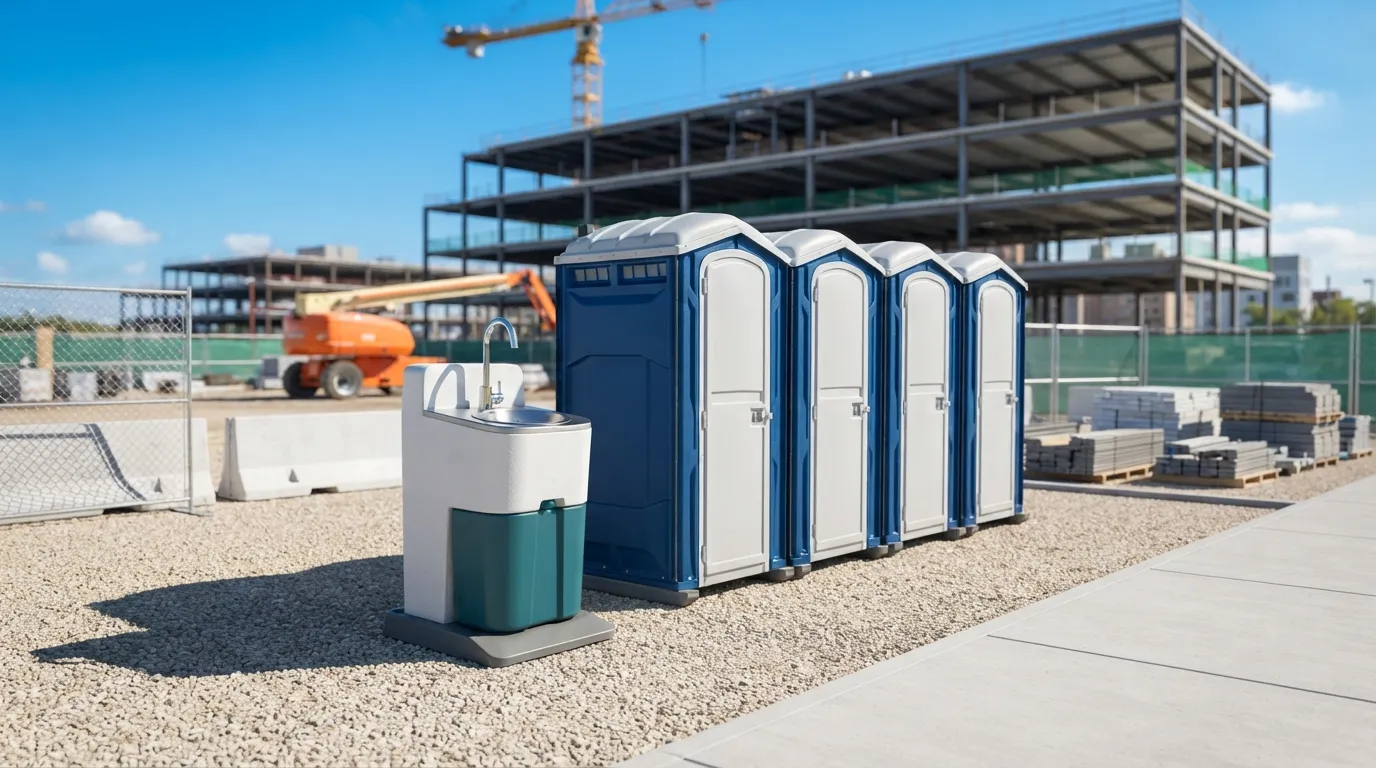
Are there ADA placement rules for accessible units?
Yes, and they are specific. ADA Standards 213.2 requires that where single-user portable units are clustered, at least 5 percent be accessible, and never fewer than one. That accessible unit needs a 60 inch turning circle inside per ADA Standards 304.3.1, a door opening of at least 32 inches per ADA Standards 404.2.3, and a route to it at least 36 inches wide under ADA Standards 403.5.1. Ground has to be stable and slip resistant, ADA Standards 302.1, which rules out gravel that shifts or mud that never dries. See the ADA accessible porta potty page for unit specs, and check full ADA restroom requirements before finalizing a site plan for an event or job in Little Rock. Reach controls and door hardware also matter: ADA Standards 308.2.1 caps a forward reach at 48 inches high, and 309.4 says operable parts need to work with one hand and no more than 5 pounds of force.
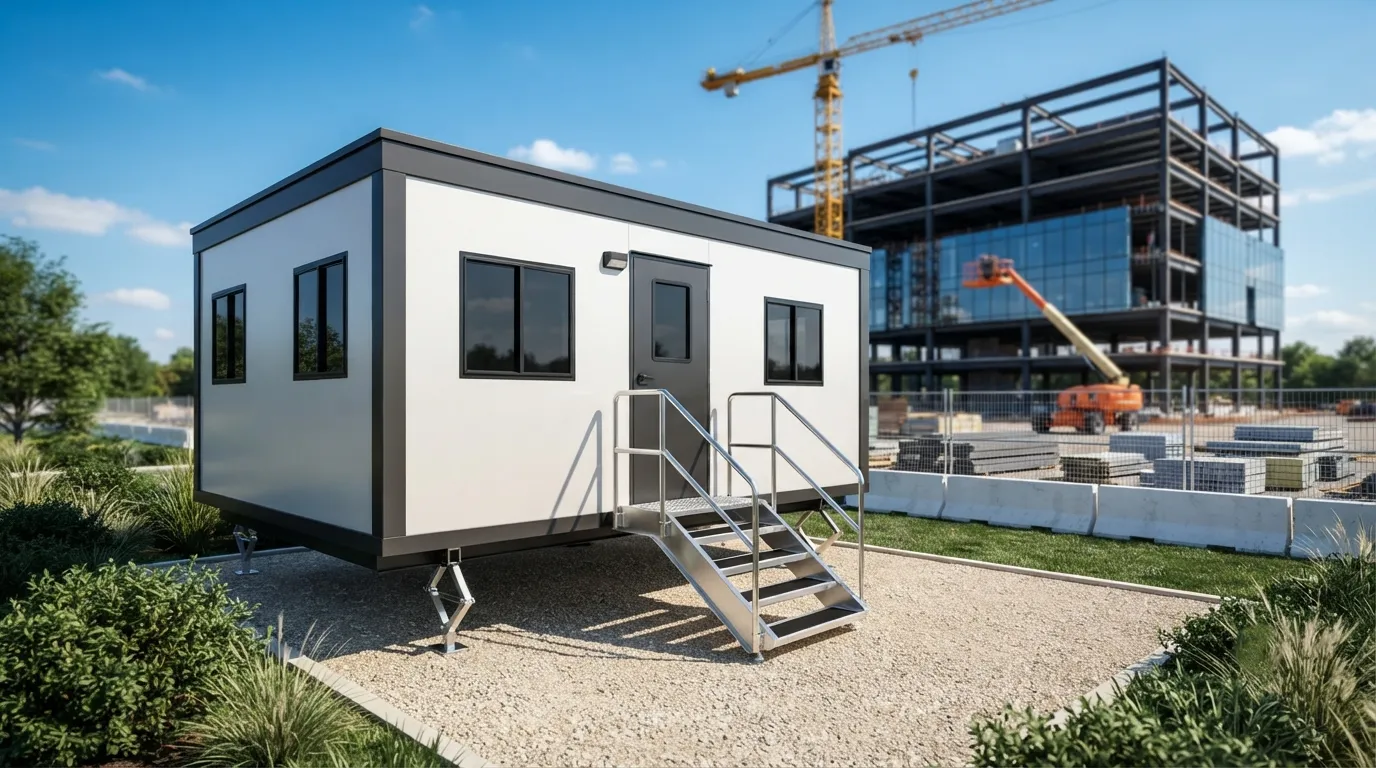
What about handwashing, water lines, and support equipment nearby?
Handwashing stations pair with restrooms on most Little Rock sites, and the standard is soap and towels or a drying device, not sanitizer alone, per 29 CFR 1910.141(d)(2). If your crew is applying paint, coatings, herbicides or insecticides, OSHA 1926.51(f)(1) requires washing facilities for that contaminant exposure specifically, so place a handwashing station rental or portable sink rental right next to that work, not across the lot. Ozark River portable sink replacement parts come up often on older units; if a faucet or pump fails mid-rental, ask your provider to swap the part rather than the whole sink. Farm sites fall under a different rule: OSHA 1928.110 requires field sanitation within a quarter mile walk for hand-labor crews, one facility per 20 employees, which matters for anyone running farm and agricultural restrooms outside city limits. If the site also has a mobile office trailer rental or storage container rental, keep those doors clear of the restroom's swing radius; mobile office trailer replacement doors are a common repair when a delivery truck clips one during a tight backup. For septic-served properties, a residential tank is typically pumped every 3 to 5 years depending on tank size and household size, and a Placerville septic pumping service call follows the same interval logic your Little Rock provider should apply. See septic pumping service or how often to pump a septic tank for more.
| unit | duration | typical price |
|---|---|---|
| standard | day | $150 |
| standard | week | $200 |
| standard | month | $200 |
| ada | week | $185 |
| delivery_fee | day | $150 |
How far from the property line does a porta potty need to sit?
There is no universal setback number in our records, so confirm with the City of Little Rock before delivery, especially near sidewalks or shared driveways. Placement near a right-of-way is where a dumpster placement permit or similar approval usually gets triggered, so ask early.
Can I place a unit on gravel or mulch instead of concrete?
Gravel and packed mulch generally work as long as the surface stays stable and does not shift under weight, matching the slip-resistant standard in ADA Standards 302.1 for accessible units. For standard units, flat and firm matters more than the material itself.
Do I need a permit to place a porta potty in Little Rock?
That depends on where the unit sits, particularly near a street or public right-of-way, and permit rules were NOT VERIFIED for this page. Confirm directly with the City of Little Rock before delivery. See porta potty permit requirements for the general framework.
How much clearance does delivery actually require?
Plan on roughly 60 feet of straight approach for a roll-off truck, and give portable toilet trucks a similarly clear line. Tight alleys or shared driveways in older Little Rock neighborhoods often need a site visit first.
What happens if the ground is too soft after rain?
A unit can tip once its tank fills, so reschedule delivery or move the pad to firmer ground. Standing water also undermines the slip-resistant surface ADA units require under ADA Standards 302.1.
Next step
Get a delivery date
Tell us the address, the dates and the headcount. We size the order and confirm the route.